Bhatti-Kavyam ভাট্টিকাব্যম

Bhattikavyam is a Bengali rendering, along with the original text, of the four cantos of Bhattikavyam, originally written by Bhartrihari. The details like name of the editor etc. are missing. This book also contains two commentaries on Bhattikavyam viz. Vidyavinodatika and Bharatatika in original Sanskrit. This book also contains the commentary of Mallinatha on all four cantos of Bhattikavyam.

Cāṇakya-Vijayaṃ चाणक्य-विजयम

Cāṇakya -Vijayaṃ is a drama written by Viśveśvara Vidyābhūṣaṇa. The storyline of the drama is built around the story of how Cāṇakya helped the Candraguptas in gaining the throne.

Caṇḍa-Tāṇḍavam चण्डताण्ड्बम्

Caṇḍa-Tāṇḍavam is a comedy written by Srijiva Nyāyatīrtha. It is based on the horrors witnessed during the first world war.

Charudattam

Charudattam is a Bengali translation of the drama Charudatta written by Bhāsa. This edition also contains explanatory notes by Kumudranjan Ray in English. The introduction deals with the significance of the dramas of Bhasa in general and Charudattam in particular.

Christopanisat ख्रीष्टोपनिषत्

Chrstopanisat is the Sanskrit translation of the Four Gospels of the New Testament. The translation in verse form is done by Tara Charan Chakravarty.

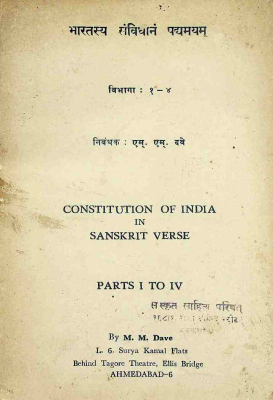
Constitution of India In Sanskrit Verse (Parts I to IV) भारतस्य संबिधानं पद्य्म्यम्

Constitution of India in Sanskrit Verse is a Sanskrit translation in verse form of parts I-IV  of the Indian Constitution. M.M. Dave, the translator, argues that the Sanskrit translation of the Indian Constitution often expresses the message more clearly than in any other language. He urges the politicians, and the lawyers to use these Sanskrit translations.

Dhvanyāloka ध्वन्यालोक

Dhvanyaloka is a work on classical Sanskrit aesthetics. Originally written by Anandavardhana, this edition contains commentaries by Abhinavagupta and Sri Ramasaraka. There are four chapters in the book.

Dūtaghatotkacam दुतघतोत्कचम्

Dūtaghatokacam is an English rendering of the drama called Dūtaghatokacam written by Bhasa. C.R.Devadhar translated and added explanatory notes in English.

Harshacharita हर्षचरित

Harshacharita is an English rendering of the first canto of Harshacharita of Banabhatta. The book contains a translation of explanatory notes on the first canto made by S. Viswanathan.

Intermediate Bengali Selections

Intermediate Bengali Selections is a collection of Bengali prose and poems of Bengali literature. All the pieces are supposed to be included in the intermediate curriculum.

Kāvyādarśa काब्यादर्श:

Kāvyadarsa is a well-known work on Sanskrit aesthetics. This book contains the original text along with a commentary by Rangacharya Raddi Shastri.

Kāvyapradīpa काब्यप्रदीप:

Kāvyapradīpa is working on classical Sanskrit Aesthetics written by Govinda. The present work contains a commentary on the original text by Vaidyanatha Tatsat. The complete work is edited by Durgaprasada and Wasudev Laxman Shastri Pansikar. Through the ten chapters, the author presents and analyzes the different views on Sanskrit Aesthetics.

Kiratarjunuyam (Canto-II)

Kiratarjuniyam  is an English rendering and explanation of the second canto of Kiratarjuniyam written by Bharavi. Saradaranjan Ray, the editor of the book, has added Mallinatha’s commentary along with its translation in English. The book also contains a Bengali translation of the second canto of the original Sanskrit text.

Lalitāsahasranāma ललितासहस्रनाम

Lalitāsahasranāma, edited by Haridatta Shastri, is a commentary on the Sanskrit text Lalitāsahasranāma. This work presents the thousand different names of Goddess Durga. The commentator explains the significance of each of these names of Durgā highlighting the theological allusions of these names.

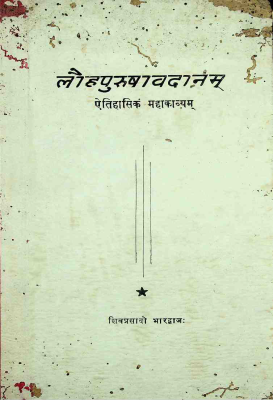
Louhapuruṣābadānam लोहपुरुषाब्दानम्

Louhapuruṣābadānam is a modern epic describing the life of Vallab Bhai Patel, one of the most eminent political leaders of India during its pre and post-independent days. The author, Sivaprasad Bharadwaja, himself adds comments to the verses that he composes.

Mudrarakshasam

Mudrarakshasam  is translation, both in Bengali and English, of the drama Mudrarakshasam has originally written in Sanskrit by Visakhadatta. Bidhubhsan Goswami, in his introduction, presents a brief analysis of the special characteristics of the drama. All the seven cantos are presented in original Sanskrit along with their translation.

Niruktam

Niruktam is a commentary in Sanskrit on the original Nirukta written by Yaska. The commentary is written by Mukunda Sharma. The present volume contains commentary on three chapters of the original Nirukta, viz. 1. Naighantukakanda, 2. Naigamakanda and 3. Daivatakanda.

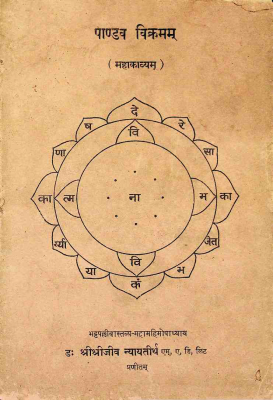
Pandava-Vikramam पाण्दब् बिक्र्म्म्

Pandavavikramamam is a modern-day epic composed by Srijiva Nyāyatīrtha. The main storyline of the epic is borrowed from Vana Parva and Virata Parva of Mahābhārata. The epic depicts the heroic acts of the Pāndavas during their exile, sometimes living incognito.

Plays Ascribed to Bhāsa

Bhasanatakacakram is a collection of thirteen dramas ascribed to Bhasa, edited by C.R. Devadhar. The Appendix includes an analysis of the metre of Bhāsa’s works and also references to Bhasa’s works in other Sanskrit works.

Prabodhchandroya Natakam প্রবোধচন্দ্রোদয় নাটকম

Prabodhachanrodaya Natakam is a Bengali translation of the original drama Prabodhachanrodaya written by Sri Krishna Mishra. The book contains the original text in Sanskrit along with a Bengali translation. One of the interesting features of this drama is that the characters in the drama are known as jealousy, egoism, lust, anger etc.
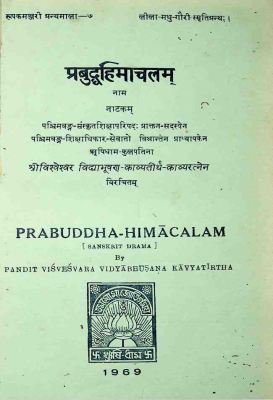
Prabuddha-Himācalam प्रबुद्ध हिमाचलम

Prabuddhahimacalam is a drama authored by Viśveśvara Vidyābhūṣaṇa. The drama was written against the background of the Indo-China war in the early nineteen sixties. The drama depicts how Indians could rise and thwart foreign aggression.

Pratijñāyaugandharāyaṇam प्रतिज्ञायॊगन्धरायण्म

Pratijñāyaugandharāyaṇam is an edition of the original Sanskrit drama thought to be written by Bhāsa. C.R.Devadhara edited this book with an English translation and explanatory notes.

Priyadarsika प्रियदर्शिका

Priyadarsika is an English rendering along with explanatory notes of the drama originally written by Sri Harsha. P.V.Ramanujaswami, the editor and translator of the book gives a brief history of classical Indian Dramaturgy in the introduction followed by the original text and explanatory notes.

Puruṣaramaṇiyam पुरुषरमणीयम्

Puruṣaramaṇiyam is a short comedy written by Srijiva Nyāyatīrtha written on the occasion of the visit of Srimat Chandrasekharendra Sarasvati to Calcutta. On one occasion, one of the male characters was transformed into a lady and that is how the title justifies itself.

Raghuvansam (Canto-VI) सारस्बत – शतकम

Raghuvansam is a Bengali translation of, along with explanatory notes in English on, the sixth canto of Raghuvansam written by Kalidasa. Mallinatha’s commentary on the relevant part has also been added by Haricharan Gangopadhyay and Ramgopala Bhattacharya who are the editors of the present volume.

Rupaka-Chakram रूपक-चक्रम

Rupaka-Chakram is a collection of five small dramas known as prahaṣaṇa. The collection consists of 1. Mahakavi kalidasam, 2. Ragaviragam, 3. Ksutaksemiyam, 4. Cipitakacarvanam and 5. Satavarsikam. All the dramas are written by Srijiva Nyāyatīrtha.

Śabdakalpadrum (Volume-1) শব্দকল্পদ্রুম

Sabdakalpadruma (first volume) is a dictionary of Sanskrit words compiled by Raja Radhakanta Dev Bahadur. It contains the meaning of all the Sanskrit words, their etymological analysis and examples of their use. The dictionary is organized in alphabetical order. The first volume contains starts with varna and ends with ‘plama’.

Śabdakalpadrum (Volume-2) শব্দকল্পদ্রুম

Sabdakalpadruma (second volume) is a dictionary of Sanskrit words compiled by Raja Radhakanta Dev Bahadur. It contains the meaning of all the Sanskrit words, their etymological analysis and examples of their use. The dictionary is organized in alphabetical order. The second volume starts with ‘plaksadva’ and ends with s.

Śabdakalpadrum (Volume-3)

Sabdakalpadruma (third volume) is a dictionary of Sanskrit words compiled by Raja Radhakanta Dev Bahadur. It contains the meaning of all the Sanskrit words, their etymological analysis and examples of their use. The dictionary is organized in alphabetical order.